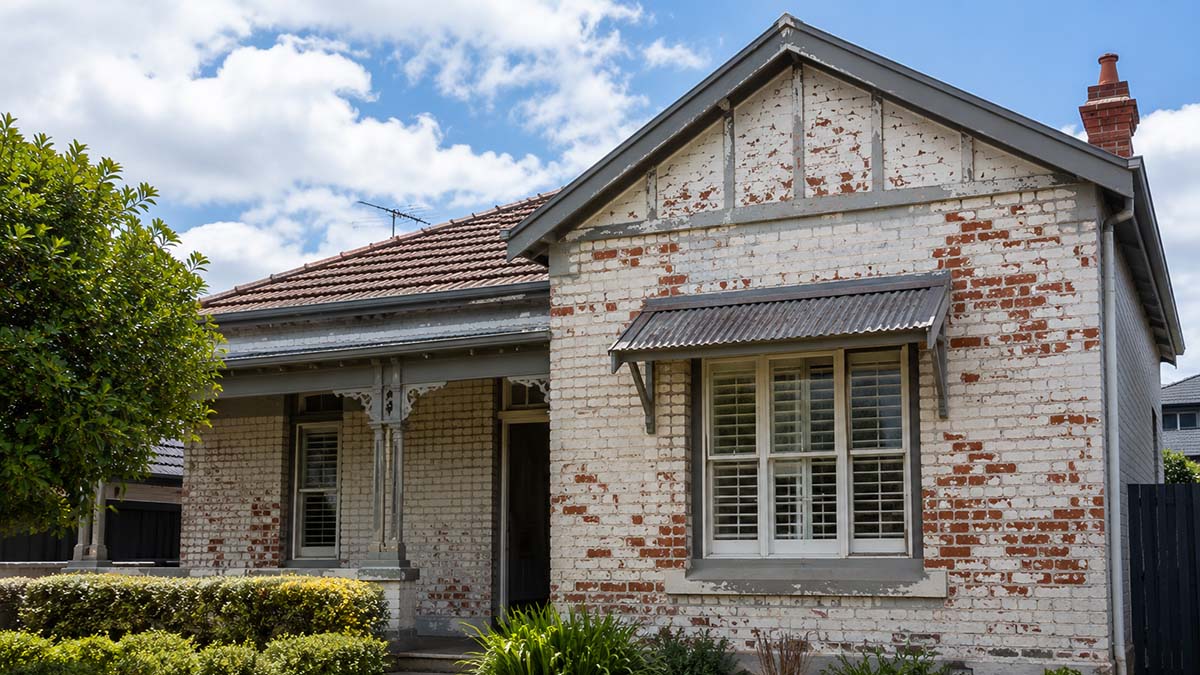
How often to repaint a house exterior is a common question for Melbourne homeowners because exterior paint protects the building as well as improving street appeal. The answer depends on surface type, weather exposure, previous preparation, paint quality and maintenance.
As a general guide, many homes need exterior repainting every 7 to 12 years, but some exposed surfaces can need attention sooner. Timber trims, fascia, weatherboards and dark colours in full sun often show wear before sheltered render or brickwork.
How Surface Type Affects Repaint Frequency
Different exterior materials age in different ways. Timber moves with moisture and temperature changes, render can show hairline cracking, metal needs correct priming, and older weatherboards can peel if previous coatings were not prepared properly.
Weatherboard homes
Weatherboards often need regular maintenance because timber expands and contracts. Peeling edges, open joins, exposed timber and cracking around boards are signs that the coating system is no longer giving full protection.
Rendered homes
Rendered homes can look good for many years, but cracks, chalking and staining should not be ignored. If water enters cracks, repairs can become more involved than a straightforward repaint.
Warning Signs Your Exterior Paint Needs Attention
You do not always need to wait until the whole house looks tired. Early warning signs can show that a repaint or maintenance coat is due. These include fading, chalky residue, peeling paint, cracked caulking, bubbling, mould, rust staining, exposed timber and water marks.
- Fading or uneven colour on sun-facing walls.
- Powdery chalking when you rub the surface.
- Peeling on trims, doors, fascia or weatherboards.
- Open gaps around windows and joints.
- Stains under gutters or around fixings.
Practical tip
Check the north and west-facing sides of your Melbourne home first. These areas often receive stronger sun exposure and may age faster than shaded elevations.
How Melbourne weather affects exterior repaint timing
Melbourne homes deal with UV, wind, rain, cool winters, hot spells and sudden weather changes. Exterior paint must expand, contract, shed water and hold colour. A good coating system starts with washing, scraping, sanding, priming and sealing gaps before the finish coats are applied.
Why preparation affects lifespan
A premium paint applied over poor preparation will not perform as well as a correct system applied over a sound surface. If old paint is loose, if timber is exposed, or if cracks are not repaired, the new coating may fail early.
Repainting before selling or renovating
A fresh exterior can improve first impressions before sale, especially for homes with tired trims, faded front doors or peeling fences. If you are preparing to sell, focus on street-facing areas, entry doors, garage doors, eaves and obvious defects.
For larger renovations, it is often better to coordinate exterior painting after building repairs, roof work, new windows or render repairs. This avoids trades damaging freshly painted surfaces.
How to extend the life of exterior paint
Wash exterior surfaces periodically, keep plants away from walls, fix leaking gutters, repair cracks early and touch up damaged areas before moisture gets behind the coating. Small maintenance can delay a full repaint and protect timber or render.
Budgeting for exterior repainting
Exterior painting cost depends on access, height, preparation, repairs and paint system. A two-storey home, steep block or heavily weathered surface will usually cost more than a simple single-storey repaint. See our painting prices guide for indicative ranges, then request a site-specific quote.
Why repainting early can save money
Leaving exterior paint until it is badly peeling can increase preparation time. More scraping, sanding, timber repair, priming and gap sealing may be required before the home is ready for topcoats. Repainting while the coating is still mostly sound can be more efficient and may protect the building envelope better.
This is especially important around window frames, fascia, posts, handrails and timber trims. Once bare timber is exposed, moisture can enter and create movement, cracking or rot. A maintenance repaint at the right time helps prevent small defects from becoming larger repairs.
How to inspect your exterior once a year
Walk around your home after winter and again after summer. Look closely at sunny walls, lower weatherboards, window sills, garage doors and areas near gutters. Take photos of any defects so you can compare changes over time.
If the paint feels powdery, if cracks are opening or if trims are peeling, arrange advice before the next harsh season. A painter can tell you whether a wash, touch-up, targeted repair or full repaint is the best option for your home.
By Perfection Coating | Melbourne Painting Guide