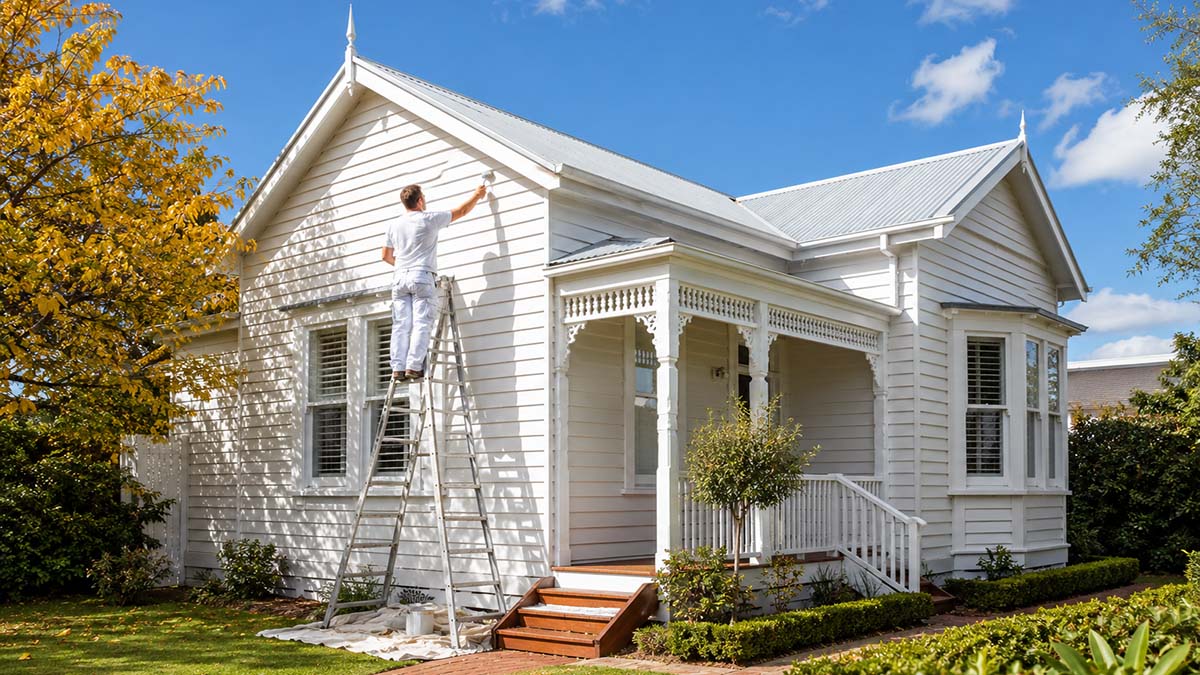
Timing makes a real difference when painting a house in Melbourne. The best time depends on the surface, paint system and whether the work is interior or exterior. Melbourne's weather can shift quickly, so professional painters plan around temperature, rain risk, surface moisture, wind and drying time.
Interior painting can usually be completed all year with the right ventilation and heating. Exterior painting needs more careful timing because rain, dew, UV, wind and cold surfaces can affect adhesion and long-term durability.
Why Autumn and Spring Are Usually the Best Seasons
For exterior work, autumn and spring usually offer the best balance of mild temperatures and workable daylight. Early autumn can be especially useful after harsh summer UV, while spring is popular for refreshing a home before summer entertaining or selling.
The goal is not just a pleasant day. Painters also consider the previous night’s moisture, the forecast after painting, and whether shaded walls will dry properly. A wall can still be too damp or cold even when the air temperature feels comfortable.
Autumn exterior painting
Autumn often provides steady conditions for exterior painting in Melbourne. The heat is less intense than summer, surfaces are less likely to be extremely hot, and there is usually enough daylight for preparation and coating work.
Spring exterior painting
Spring is also a strong season, but weather can be variable. A professional painter will watch for rain windows, wind and overnight dew. It is smart to book early because many homeowners plan exterior maintenance after winter.
Practical tip
For exterior painting, look for a stretch of mild, dry days rather than a single sunny day. Surface dryness before painting and curing conditions after painting both matter.
What to Know About Painting in Melbourne Summer
Summer can work well, but extreme heat and direct sun can create problems. Paint may dry too fast on the surface, making it harder to maintain a smooth finish. Dark colours on sun-exposed walls can also heat up quickly.
How professionals manage summer work
Professional painters may start earlier, follow shade around the home and avoid painting surfaces that are too hot. They also check product guidance because each coating has recommended application conditions.
Can you paint a house in Melbourne winter?
Winter is generally more challenging for exterior painting because cold mornings, shorter days, rain and surface moisture can slow drying. However, some exterior tasks can still be completed when conditions are suitable. Interior painting remains a good option through winter, especially when homes are ventilated and rooms can be warmed appropriately.
If your exterior is peeling badly, waiting too long can allow more moisture into timber, render cracks or exposed areas. In that situation, a painter may recommend urgent preparation or staged repairs before a full repaint.
Melbourne weather factors that affect paint
Rain can wash fresh paint, moisture can reduce adhesion, heat can affect flow, and wind can blow dust onto wet surfaces. Dew is often overlooked: overnight moisture can settle on exterior surfaces and delay morning starts.
Surface temperature matters
Paint is applied to the surface, not just the air. Brick, render, metal garage doors and timber can all hold heat or cold differently. This is why experienced painters assess each side of the home separately.
Best time for interior painting
Interior painting is less weather dependent, but ventilation, humidity and drying time still matter. Bathrooms, laundries and kitchens need particular care because moisture and cleaning demands are higher.
How far ahead should you book?
If you want work completed in autumn or spring, book early. These periods are popular for exterior painting, pre-sale presentation and maintenance before or after winter. A quote inspection also helps identify repairs that may need to be completed before painting.
For budgeting, use our painting prices Melbourne guide, then contact Perfection Coating for a site-specific quote.
How painters decide whether the day is suitable
A professional painter does not only look at the daily maximum temperature. The decision includes surface temperature, cloud cover, wind, rain forecast, shade, dew point and the coating being used. For example, a rendered wall in full sun can become much warmer than the air, while a south-facing wall may stay cool and damp for longer.
On exterior projects, timing also affects the order of work. Washing and preparation may happen first, then the team may paint sun-exposed elevations at a different time of day to shaded elevations. This staged approach helps protect the finish and avoids rushing coats before the surface is ready.
Why local planning matters for Melbourne homes
Melbourne suburbs can experience different conditions on the same day. A home near open parkland, a shaded block, a windy hill or a damp garden may need a different plan from a similar home in a more protected street. This is why a site inspection is more useful than a general weather rule.
If your home has peeling paint, exposed timber or cracks, do not wait until the coating has completely failed. Ask for advice early, then schedule the repaint during a suitable weather window. Early planning often gives better access to preferred dates and allows time for repairs before painting starts.
By Perfection Coating | Melbourne Painting Guide